


Lawn maintenance is a task that requires the perfect tools, and choosing the right lawn mower engine is an essential part of the process. With countless options available, it can be overwhelming to determine which engine is best suited for your yard. However, fret not! This article provides you with 10 essential tips that will help you navigate the world of lawn mower engines and make an informed decision. From considering engine power to selecting the appropriate fuel type, these tips will ensure that you find the perfect engine to effortlessly maintain your lawn. So, let’s get started on finding the ideal engine for your mowing needs!
Consider the Size of Your Lawn
Small Lawns
When it comes to choosing the right lawn mower engine, the size of your lawn is an important factor to consider. For small lawns, which typically range from 1,500 to 3,000 square feet, a compact and lightweight mower with a smaller engine is usually sufficient. These mowers are easy to maneuver in tight spaces and can get the job done quickly.
Medium-Sized Lawns
If you have a medium-sized lawn, which typically falls between 3,000 and 10,000 square feet, you may want to opt for a more powerful engine. A mower with a larger engine will have the necessary strength to tackle thicker grass and tougher terrain. It will also cover a larger area more efficiently, saving you time and effort.
Large Lawns
For those lucky enough to have a large lawn exceeding 10,000 square feet, a powerful engine is a must. Look for a mower with a high horsepower rating to ensure that it can handle the demands of a large area. These mowers often come equipped with wider cutting decks, allowing you to cover more ground in fewer passes. Consider choosing a riding lawn mower with a powerful engine for optimal comfort and efficiency.
Determine Your Preferred Mower Type
Gas-Powered Engines
Gas-powered engines have long been a popular choice for lawn mowers due to their reliability and power. These engines run on gasoline and provide enough strength to tackle even the toughest grass and terrain. Gas-powered mowers are typically cordless, allowing you to move freely around your yard. However, they do require regular maintenance, such as oil changes and air filter cleaning, and can be noisy and emit exhaust fumes.
Electric Engines
Electric engines, specifically corded electric models, are a great option for smaller lawns. These mowers are lightweight, quiet, and easy to use. They require an electrical outlet and a long extension cord to operate, limiting their range. Electric mowers are also less powerful than their gas-powered counterparts and may struggle with tall or thick grass.
Cordless Electric Engines
If you prefer the convenience of an electric mower but don’t want to be tethered to an extension cord, a cordless electric model is worth considering. These mowers run on rechargeable batteries, providing more freedom of movement. Cordless electric mowers are ideal for medium-sized lawns and offer a good balance between power and maneuverability. However, they may have limited battery life and may take longer to charge.

This image is property of hips.hearstapps.com.
Evaluate Power and Horsepower
Power Output
The power output of a mower engine is measured in watts (W) or volts (V) for electric engines, and cubic centimeters (cc) for gas engines. The higher the power output, the more force the engine can generate, allowing it to cut through tough grass and handle uneven terrain. Consider the power output of the engine based on the size and condition of your lawn.
Horsepower Rating
Horsepower (HP) is another important factor to consider when choosing a lawn mower engine. While power output determines cutting ability, horsepower determines how fast the mower can cover ground. For larger lawns, a higher horsepower rating will ensure that the mower can maintain a consistent speed and cut efficiently. However, for smaller lawns, a lower horsepower rating may be sufficient.
Consider Your Grass Type
Different grass types have different cutting requirements. If you have thick or coarse grass, such as Bermuda grass or St. Augustine grass, you will need a more powerful engine to effectively cut through it. On the other hand, if you have a thin or fine grass type, such as Kentucky bluegrass or perennial ryegrass, a less powerful engine may be suitable.
Assess Engine Start Mechanism
Pull Start Engines
Pull start engines are the most common type of engine start mechanism for gas-powered mowers. You simply pull a cord to start the engine. While pull start engines are reliable and have been used for decades, they can be difficult to start, especially for individuals with limited strength or mobility.
Electric Start Engines
Electric start engines eliminate the need for manual pulling by incorporating a push-button start. These engines are easy to start and require minimal effort. Electric start engines are often found on larger, more powerful mowers, but they can be more expensive than pull start models.
Key Start Engines
Key start engines are similar to the ignition system in a car. You simply insert a key into the ignition and turn it to start the engine. This start mechanism is typically found on riding mowers and offers added convenience and ease of use. However, key start engines tend to be more expensive than pull start or electric start engines.

This image is property of www.rona.ca.
Consider Fuel Efficiency
Gasoline Engine Efficiency
Gasoline engines can vary in terms of fuel efficiency. Look for mowers with features such as fuel injection or variable speed control, as these can help optimize fuel consumption. Additionally, consider the size of the fuel tank and how long it can run on a full tank. A more fuel-efficient engine will save you money on gasoline and reduce the time spent refueling.
Electric Engine Efficiency
Electric mowers are known for their energy efficiency. They consume less power than gas engines and do not require fuel. However, their efficiency can be affected by battery capacity and overall battery life. Look for models with longer battery run times and shorter charging periods to maximize efficiency.
Think About Noise Level
Gas-Powered Engines
Gas-powered engines tend to be louder than electric engines. If noise is a concern for you or your neighbors, consider choosing a mower with noise reduction features, such as a muffler or acoustic housing. Gas mowers may also require hearing protection to prevent potential hearing damage during prolonged use.
Electric Engines
Electric engines are generally quieter than gas engines and produce minimal noise pollution. They are a great option for those who value peace and quiet while mowing. However, it’s important to note that the noise level can vary depending on the specific model and the cutting conditions.
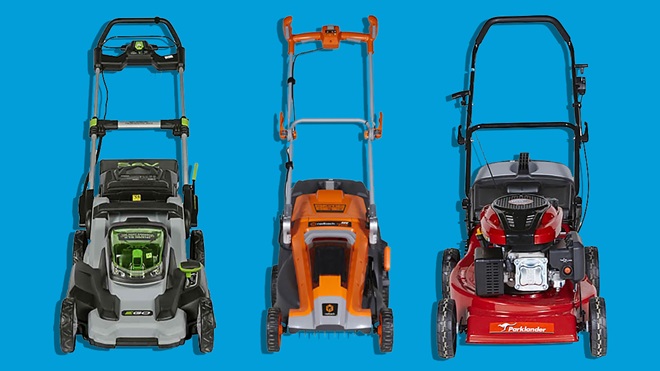
This image is property of img.choice.com.au.
Check Maintenance Requirements
Oil Changes
Gas-powered engines require regular oil changes to maintain their performance and prolong their lifespan. Check the manufacturer’s instructions to determine how often the oil needs to be changed and ensure that you are comfortable performing this maintenance task. Electric engines do not require oil changes, making them relatively low maintenance in this regard.
Air Filter Cleaning/Replacement
Both gas-powered and electric engines have air filters that need to be cleaned or replaced periodically. A clogged air filter can affect engine performance and fuel efficiency. Check the maintenance requirements and accessibility of the air filter to ensure that you can easily maintain it.
Spark Plug Inspection/Replacement
Spark plugs play a crucial role in igniting the fuel-air mixture in gas-powered engines. Over time, spark plugs can become fouled or worn out, leading to poor engine performance. Regularly inspecting and replacing spark plugs when necessary will help ensure smooth operation. Electric engines do not have spark plugs and thus do not require this maintenance task.
Consider Environmental Impact
Emissions
Gas-powered engines emit exhaust fumes and contribute to air pollution. If reducing your carbon footprint is important to you, consider choosing an electric mower. Electric engines produce zero emissions and are more environmentally friendly. They offer a cleaner and greener alternative without sacrificing performance.
Noise Pollution
Lawn mowers, especially gas-powered ones, can be a significant source of noise pollution. This can be disruptive to your household or disturb your neighbors. Choose a mower with noise reduction features, such as sound-dampening technology or low-noise operation, to minimize noise pollution and create a more peaceful environment.

This image is property of hips.hearstapps.com.
Determine Budget
Initial Cost
Before making a decision, consider your budget. Gas-powered mowers are typically more expensive than electric ones due to the higher manufacturing costs associated with their engines. Take into account the initial cost of the mower and whether you are willing to invest more for additional features or a higher quality engine.
Operating Costs
In addition to the initial cost, consider the operating costs associated with the mower engine. Gas-powered engines require regular refueling with gasoline, which can be costly depending on the size of your lawn and the frequency of mowing. Electric engines, while not requiring fuel, may have higher electricity costs depending on your electricity rates and charging requirements.
Read Reviews and Seek Recommendations
Online Reviews
Reading online reviews can provide valuable insights into the performance, reliability, and overall customer satisfaction of various mower engines. Look for reviews from reputable sources and consider the experiences of other customers before making a final decision. Keep in mind that individual preferences and specific lawn conditions may vary, so it’s important to consider a wide range of opinions.
Ask for Recommendations
If you know someone who has a lawn mower with an engine that impresses you, don’t hesitate to ask for their recommendations. Friends, family members, or neighbors may have valuable insights based on their firsthand experience. They can provide honest feedback on the engine’s durability, performance, and ease of use.
By considering the size of your lawn, determining your preferred mower type, evaluating power and horsepower, assessing the engine start mechanism, considering fuel efficiency, thinking about noise level, checking maintenance requirements, considering environmental impact, determining your budget, and reading reviews and seeking recommendations, you can make an informed decision when choosing the right lawn mower engine. Remember, your lawn mower engine is a valuable investment, so take the time to research and choose wisely. Happy mowing!

This image is property of cdn.shopify.com.


