


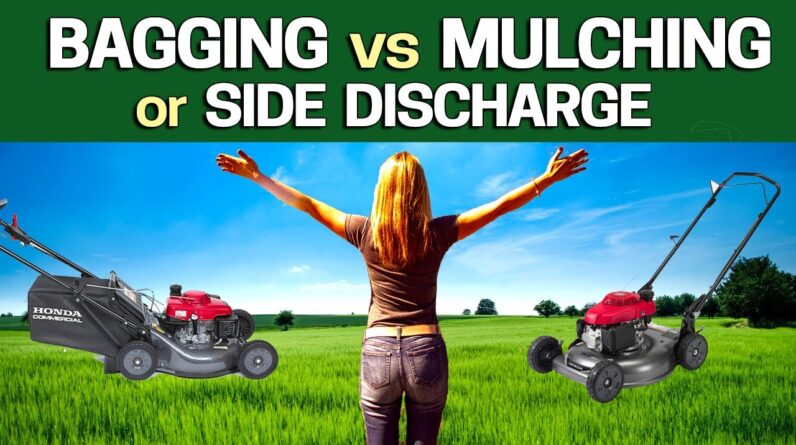
Are you torn between using a lawn mower bagging system or opting for side discharge when it comes to cutting your grass? It’s a common dilemma among homeowners, but fear not, we’re here to help you make an informed decision. In this article, we’ll explore the pros and cons of both options, allowing you to discover which method is the better fit for your unique lawn care needs. So grab a refreshing beverage, pull up a chair, and let’s delve into the world of lawn mower bagging and side discharge!
This image is property of s3.amazonaws.com.
Lawn Mower Bagging
Definition
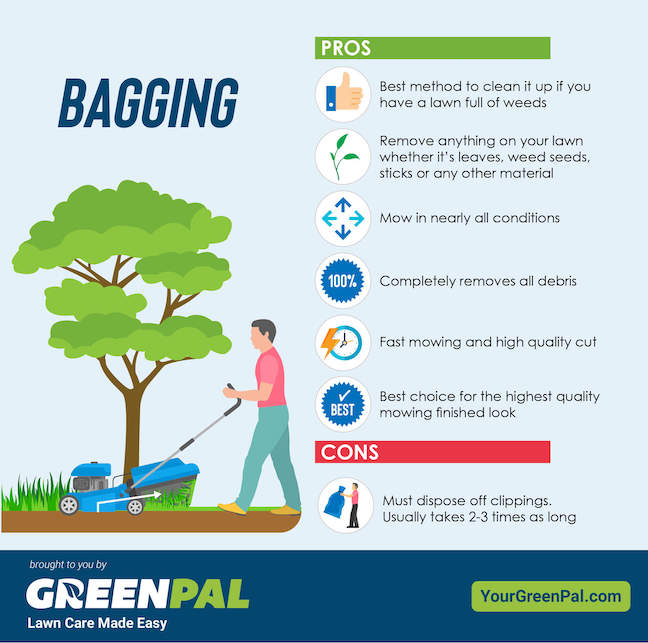
Lawn mower bagging is a method of grass clippings disposal that involves collecting the clippings in a bag attached to the mower. This bag is commonly made of fabric or plastic and is designed to catch the clippings as you mow the lawn.
How It Works
When using a lawn mower with a bagging feature, the grass clippings are cut by the mower blades and then directed into the bag through a chute. As you move across the lawn, the bag gradually fills up with the clippings. Once the bag is full, it can be emptied into a compost bin, used as mulch, or disposed of as green waste.
Benefits
There are several benefits to using a bagging method for grass clippings removal. Firstly, bagging helps keep the lawn looking neat and tidy by preventing the clippings from being left on the surface. This can enhance the overall appearance of the lawn and give it a well-maintained look. Additionally, bagging allows for easier disposal of the clippings, especially if they are being utilized for composting or mulching.
Disadvantages
Despite its advantages, lawn mower bagging does have a few disadvantages. One major drawback is the added effort and time required to empty the bag whenever it becomes full. This can interrupt the mowing process and prolong the overall time it takes to complete the task. Additionally, bagging may not be as efficient in terms of grass clippings removal compared to other methods such as side discharge.
Best Conditions for Bagging
Bagging is most effective under certain conditions. If your lawn has grown taller than usual or if the grass is dense and thick, bagging can help prevent clumps of clippings from being left behind. Similarly, during periods of heavy growth or excessive rainfall, bagging can be advantageous to maintain the lawn’s appearance. Additionally, bagging is helpful when mowing in areas where grass clippings may not be desirable, such as near pools, flower beds, or walkways.
Side Discharge
Definition
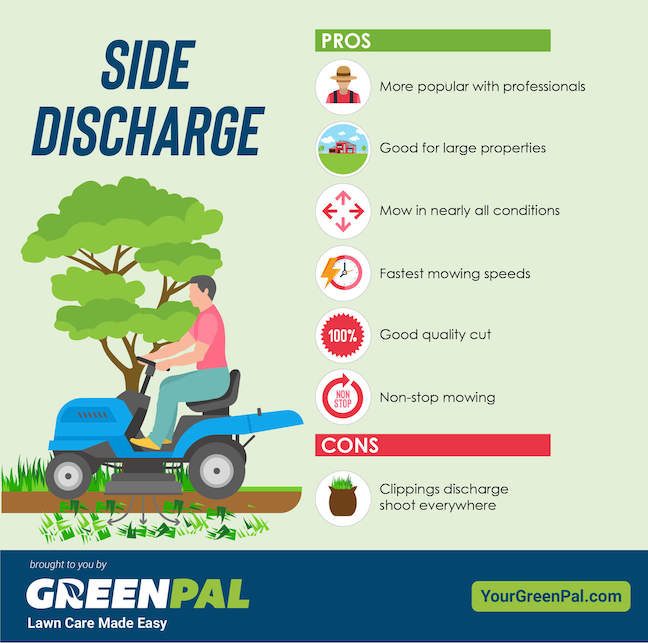
Side discharge is another grass clippings disposal method that involves expelling the clippings to the side of the mower as you mow. Instead of being caught in a bag, the clippings are simply left on the lawn to decompose.
How It Works
Mowers equipped with a side discharge feature have an opening on the side of the deck which allows the clippings to be expelled freely. As you mow, the clippings are discharged to the side, leaving them to settle on the lawn surface. The clippings will naturally break down and return nutrients to the soil, acting as a natural fertilizer.
Benefits
Side discharge offers several benefits. Firstly, it is a time-saving method as there is no need to stop and empty a bag during the mowing process. This makes it a more efficient option for larger lawns or when time is limited. Additionally, the clippings left on the lawn can provide valuable nutrients to the grass, promoting healthier growth and reducing the need for additional fertilizers. Side discharge is also advantageous for those who prefer a more natural and organic approach to lawn care.
Disadvantages
While side discharge has its advantages, there are also a few disadvantages to consider. One drawback is that the clippings left on the lawn can sometimes be unsightly, especially if they accumulate in large clumps. This can affect the overall appearance of the lawn, particularly if the grass is not cut frequently. Additionally, if the grass is too long or wet, side discharge may result in uneven distribution of clippings, leading to potential clumping issues.
Best Conditions for Side Discharge
Side discharge is most effective in certain scenarios. If your lawn is regularly maintained and not excessively long, side discharge can be an efficient option. It works well for lawns with thin or sparse grass as the clippings will easily disperse and decompose without creating clumps. Side discharge is also suitable for drier climates or during periods of low grass growth when the clippings are likely to dry quickly and not cause an aesthetic issue.
Comparing Efficiency
Grass Clippings Removal
When it comes to removing grass clippings, bagging is generally more effective than side discharge. Bagging ensures that all clippings are collected and removed from the lawn, leaving a clean and pristine surface. On the other hand, side discharge may leave some clippings behind, especially if the grass is long or if the mowing height is set too low. While the clippings left by side discharge will eventually decompose and provide nutrients, they can be unsightly in the short term.
Time Efficiency
Side discharge is typically more time-efficient than bagging. With side discharge, there is no need to pause and empty a bag as you mow, allowing for uninterrupted mowing. This is particularly advantageous for larger lawns or when time is limited. Bagging, on the other hand, may require multiple stops to empty the bag, extending the overall time needed to complete the mowing process.
Lawn Appearance
In terms of lawn appearance, bagging usually results in a cleaner and more manicured look. By collecting all the clippings, bagging prevents the grass from being covered in cuttings, creating a neater and more aesthetically pleasing appearance. Side discharge, however, can provide a more natural look as the clippings are left on the lawn surface to decompose. This can be desirable for those who prefer a more organic and sustainable approach to lawn care.
Ease of Use
Both bagging and side discharge methods are relatively easy to use. Bagging requires periodically stopping to empty the bag, which can be physically demanding and interrupt the mowing process. Side discharge, on the other hand, eliminates the need for bag emptying, making it a simpler and more straightforward technique. However, it is important to consider the specific features and capabilities of your lawn mower, as some models may handle bagging or side discharge more smoothly than others.
Environmental Impact
Bagging and Waste Disposal
One crucial environmental consideration of bagging is waste disposal. When bagging grass clippings, it is essential to properly dispose of or utilize them to minimize environmental impact. Clippings can be composted, used as mulch, or taken to a green waste facility for proper disposal. By recycling the clippings, you are preventing them from ending up in landfills and promoting a more sustainable approach to lawn care.
Nutrient Recycling
Side discharge allows for a more natural process of nutrient recycling. The clippings that are left on the lawn will decompose over time, returning valuable nutrients to the soil. This helps promote a healthier and more vibrant lawn, reducing the need for chemical fertilizers. The nutrient recycling aspect of side discharge aligns with sustainable lawn care practices and contributes to a healthier ecosystem.
Air Pollution
In terms of air pollution, neither bagging nor side discharge directly contribute to emissions. However, bagging grass clippings and transporting them to a waste facility can involve the use of vehicles, which may emit pollutants. Therefore, it is important to consider the distance and frequency of waste disposal when using the bagging method. Side discharge, on the other hand, has a minimal carbon footprint as it eliminates the need for bag transportation and disposal.
Sustainable Practices
Both bagging and side discharge methods can be integrated into sustainable lawn care practices. Bagging allows for proper waste management and recycling of clippings, contributing to a more eco-friendly approach. Side discharge promotes natural nutrient recycling and reduces the need for synthetic fertilizers, aligning with organic lawn care methods. Ultimately, the environmental impact of these methods depends on how they are implemented and the disposal practices employed.
This image is property of s3.amazonaws.com.
Safety Considerations
Flying Debris Hazards
When using a lawn mower, regardless of the method employed, there is a risk of flying debris. With bagging, the clippings are contained within the bag, reducing the chances of debris being thrown. However, there is still a possibility of small debris escaping from the bag’s opening. Side discharge poses a higher risk of debris being ejected from the mower, as the clippings are discharged to the side without any containment. It is important to wear appropriate protective gear, such as safety glasses and closed-toe shoes, to minimize the risk of injury.
Risk of Overheating
Bagging can potentially lead to overheating of the mower’s engine, especially if the bag becomes excessively filled. A full bag can restrict airflow, causing the engine to overheat. It is important to monitor the mower’s performance and regularly check the bag’s fill level to prevent overheating. Side discharge, on the other hand, does not pose the same risk of overheating as there is no bag restricting airflow.
Potential for Damage
Both bagging and side discharge methods can potentially cause damage to the lawn if not used properly. Bagging can put excessive weight on the grass, potentially causing compaction or damage. It is important to empty the bag before it becomes too heavy and to be mindful of the frequency and amount of clippings being collected. With side discharge, the clippings left on the lawn can create moisture retention issues if they accumulate in large clumps. Regular raking or mowing at a higher frequency can help prevent clumping and potential damage to the grass.
Personal Safety
When using a lawn mower, regardless of the chosen method, personal safety should always be a priority. It is important to follow basic safety precautions, such as reading the mower’s manual, wearing appropriate protective gear, and ensuring the mower is in good working condition. Additionally, taking breaks and staying hydrated when mowing for extended periods can help prevent accidents or health issues.
Factors to Consider
Grass Length and Thickness
The length and thickness of your grass can influence the choice between bagging and side discharge. Bagging is more suitable for taller grass or dense lawns as it prevents clumps of clippings from being left behind. Side discharge works best with shorter grass or sparse lawns, as the clippings can more easily disperse and decompose without causing an unsightly appearance.
Weather Conditions
Weather conditions also play a role in determining the optimal method for grass clippings disposal. Bagging may be more preferable during periods of heavy growth or excessive rainfall as it helps maintain a well-groomed appearance. On the other hand, side discharge can be more suitable during drier weather or periods of low grass growth, as the clippings are more likely to dry quickly and blend into the lawn.
Lawn Size
The size of your lawn is an important factor to consider. For larger lawns, side discharge can be more efficient and time-saving, as it eliminates the need to pause and empty the bag. Bagging, on the other hand, may be more manageable for smaller lawns where the bag does not need to be emptied as frequently.
Equipment Limitations
The capabilities and features of your lawn mower can also influence the choice between bagging and side discharge. Some mowers may handle bagging more effectively, with larger or more durable bags that can hold more clippings. Others may be designed specifically for side discharge, with a wider discharge chute or a more efficient deck design. Understanding your equipment’s limitations and capabilities can help you make an informed choice.
Personal Preferences
Lastly, personal preferences should be taken into account when deciding between bagging and side discharge. Some individuals prefer the cleaner and neater appearance achieved through bagging, while others appreciate the natural and organic approach of side discharge. Considering your personal preferences and what you prioritize in terms of lawn aesthetics and maintenance can help guide your decision.
This image is property of s3.amazonaws.com.
Routine Maintenance
Blade Sharpening and Replacement
Regardless of the grass clippings disposal method you choose, routine blade maintenance is crucial. Dull blades can tear the grass instead of making clean cuts, leading to a less attractive lawn and potentially damaging the grass. Regularly inspecting the blades and sharpening or replacing them as needed will ensure a clean and precise cut.
Filter Cleaning and Replacement
If you opt for bagging, it is important to regularly clean or replace the filters in your mower’s bagging system. Dirty filters can restrict airflow and reduce bagging efficiency. Consult your mower’s manual to determine the recommended cleaning and replacement schedule for the filters.
Bag Cleaning
For bagging, it is essential to keep the bag clean to prevent clogging and maintain optimal bagging performance. If the bag becomes excessively dirty or clogged, the clippings may not flow smoothly into the bag or airflow may be impeded. Follow the manufacturer’s instructions for cleaning the bag, and check regularly for any signs of damage or wear.
Discharge Chute Maintenance
If you choose side discharge, keeping the discharge chute clear and free from debris is important. Regularly check and remove any obstructions that may restrict the flow of clippings. Clearing the discharge chute ensures proper distribution of clippings and prevents clumping or blockages.
Expert Tips and Recommendations
Using Mulching Blades
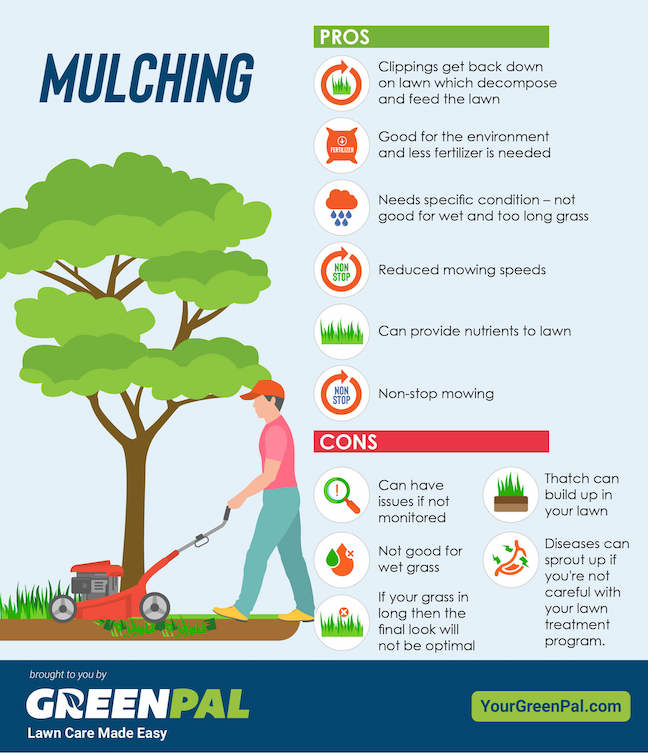
If you frequently mow your lawn and prefer side discharge while still achieving a neat appearance, consider using mulching blades. Mulching blades have a unique design that allows for finer grass clippings to be produced, enhancing the decomposition process. When using mulching blades, the clippings will be cut into smaller pieces, facilitating their breakdown into the soil and promoting nutrient recycling.
Alternating Between Bagging and Discharge
For those who cannot decide between bagging and side discharge, alternating between the two methods can be a viable option. You can alternate bagging and side discharge during different mowing sessions to reap the benefits of both methods. This allows for grass clippings removal when needed, while still allowing the clippings to decompose and provide nutrients to the lawn during other sessions.
Adjusting Mowing Height
Adjusting the mowing height according to the season and grass growth stage is essential for maintaining a healthy lawn. During periods of rapid growth, setting the mower to a slightly higher cutting height can prevent excessive clippings and reduce the need for bagging. However, if the grass becomes too long or dense, adjusting the cutting height lower and bagging the clippings may be necessary to avoid clumps.
Matching Mower Power to Lawn
Choosing a mower with sufficient power for your lawn size and conditions is crucial for effective grass clippings disposal. A mower with inadequate horsepower may struggle to effectively bag or discharge the clippings, leading to suboptimal performance. It is important to consider the power and capabilities of your mower when selecting a grass clippings disposal method.

This image is property of i.ytimg.com.
Conclusion
Choosing between lawn mower bagging and side discharge ultimately depends on your personal preferences, lawn conditions, and maintenance goals. Both methods have their advantages and disadvantages, and it is important to weigh these factors to make an informed decision.
If you prioritize a pristine and well-manicured appearance, bagging may be the preferred method for you. Bagging is effective at removing all clippings and ensuring a clean surface. It is also beneficial for preventing clippings in areas where they are undesired, such as near pools or walkways.
On the other hand, if you value time efficiency and a more natural approach to lawn care, side discharge may be the better option. Side discharge allows for uninterrupted mowing and promotes nutrient recycling, reducing the need for additional fertilizers.
Flexibility is important in lawn care, and alternating between bagging and side discharge may be suitable for those who want the benefits of both methods. Adjusting the mowing height and using mulching blades can also enhance the performance and outcomes of your chosen method.
Ultimately, the choice of grass clippings disposal method should align with your personal preferences, lawn characteristics, and environmental considerations. By carefully evaluating these factors, you can select a method that best suits your needs and achieves a healthy, vibrant, and beautiful lawn.


