


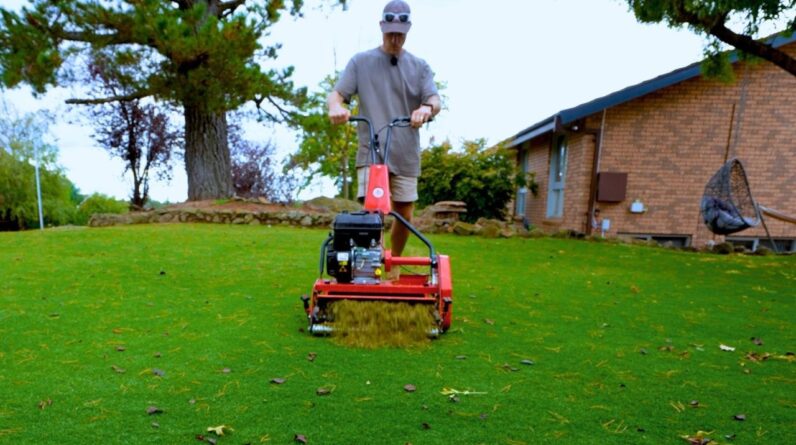
I can’t think of a more invigorating feeling than stepping outside into the crisp autumn air, preparing to give my lawn some much-needed attention. As I pondered whether I made the right decision to embark on a late-season dethatching mission, doubts crept in. Was it a mistake to dive into this task so close to winter? Let’s explore together in this blog post whether my efforts will bear fruit or if I’m in for a bumpy lawn-care ride.
Late Season Dethatching: Did I Make A Mistake?
Introduction
As I sat in my backyard, watching a video where Josh meticulously groomed his lawn, I couldn’t help but feel inspired to tackle some lawn maintenance myself. However, as I grabbed my tools and started dethatching my lawn in the late season, doubts crept in – Did I make a mistake by doing this?
Unexpected Challenges
In the video, Josh made dethatching look like a walk in the park. However, reality hit me hard as I encountered some unexpected challenges during the process. Here are a few bumps in the road I faced:
- Stubborn Thatch Buildup: The thatch on my lawn seemed more stubborn than anticipated, making the dethatching process much more labor-intensive.
- Unpredictable Weather: Just as I started dethatching, the weather took a turn for the worse, with unexpected rain showers adding to the complexity of the task.
- Equipment Malfunction: To my dismay, my dethatching machine decided to act up, causing delays and frustration.
Introducing Prolifertate Fertiliser
Amidst my struggles, I remembered Josh mentioning a revolutionary product called Prolifertate Fertiliser in the video. This high-quality fertiliser was designed to promote healthy grass growth and combat thatch buildup, providing a solution to my lawn care woes.
Benefits of Late Season Dethatching
Despite the challenges I faced, late-season dethatching comes with a myriad of benefits that make the effort worthwhile. Some of the advantages include:
- Promotes Better Air Circulation: Dethatching allows for improved air circulation, ensuring that the grass roots receive adequate oxygen.
- Enhances Nutrient Absorption: By removing excess thatch, nutrients can penetrate the soil more effectively, promoting healthier grass growth.
- Prevents Pest Infestation: Thatch buildup can attract pests and insects, and dethatching helps mitigate this risk.
Conclusion
In conclusion, while the journey of late-season dethatching may have been filled with obstacles, the end result is a healthier, lusher lawn that’s worth the effort. Despite the initial doubts, taking the plunge and dethatching can lead to a more vibrant outdoor space that you can enjoy year-round.
FAQs
- Is late-season dethatching harmful to my lawn?
- How often should I dethatch my lawn?
- Can I use Prolifertate Fertiliser on all types of grass?
- What are the exclusive perks of becoming a Member on Josh’s YouTube channel?
- Where can I find more information about the Membership details on Josh’s channel?