


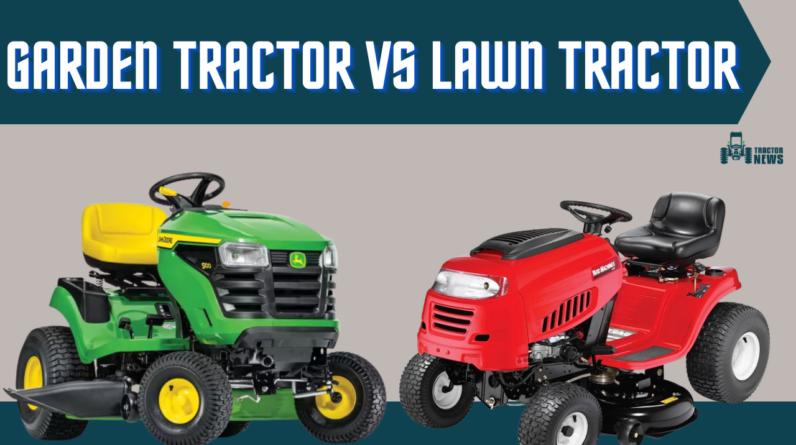
Are you in need of a new machine to keep your lawn looking fresh and well-maintained, but you’re not sure whether a lawn mower or a lawn tractor is the better choice for you? Look no further, because in this article, we will compare and contrast these two options, helping you make an informed decision. Whether you have a small or a large yard, we will explore the features, capabilities, and benefits of both the lawn mower and the lawn tractor, so you can choose the most suitable one for your lawn care needs.
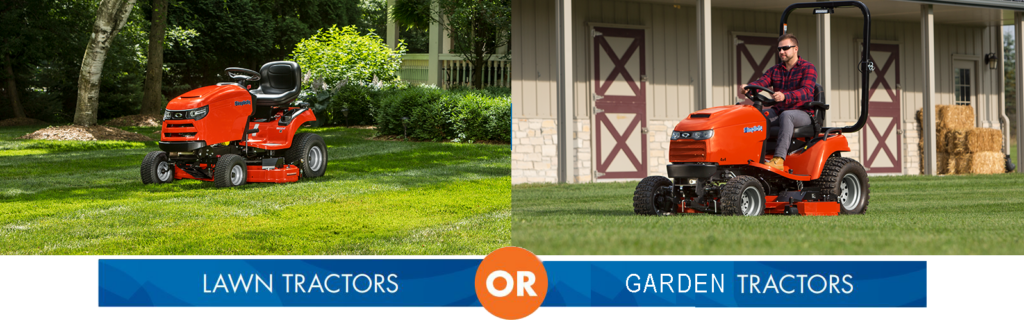
This image is property of www.simplicitymfg.com.
Factors to Consider
Lawn Size and Terrain
The first factor to consider when choosing between a lawn mower and a lawn tractor is the size and terrain of your lawn. If you have a small to medium-sized lawn with a relatively flat terrain, a lawn mower may be suitable for your needs. Lawn mowers are designed to maneuver easily in tight spaces and can effectively cut grass in smaller areas. However, if you have a large lawn or one with uneven terrain, a lawn tractor may be a better option. Lawn tractors are more powerful and can handle larger areas and tougher terrains with ease.
Type of Grass
Another important factor to consider is the type of grass you have in your lawn. Different types of grass require different cutting heights and techniques. If you have a fine-textured grass such as Bermuda or Kentucky Bluegrass, a lawn mower with adjustable cutting heights would be a good choice. On the other hand, if you have a coarse-textured grass like Zoysia or St. Augustine, a lawn tractor with a heavy-duty cutting deck may be more suitable.
Attachments and Accessories
Consider the attachments and accessories that you may need for your lawn maintenance tasks. Lawn mowers often come with additional features such as bagging options, mulching capabilities, or even the ability to trim and edge. If you require these extra functions, a lawn mower would be a better choice. On the other hand, lawn tractors have the advantage of being compatible with various attachments like snow blowers, tillers, and trailers. If you foresee the need for these additional tools, a lawn tractor would be a more versatile option.
Budget
Lastly, consider your budget when deciding between a lawn mower and a lawn tractor. Lawn mowers are generally more affordable and can be a cost-effective choice for smaller lawns. However, if you have a larger lawn or require additional attachments, a lawn tractor may be a more expensive but ultimately more practical investment. Take into account not only the initial cost but also the long-term maintenance expenses and the potential resale value of the equipment.
Lawn Mower
Definition and Function
A lawn mower is a machine specifically designed for cutting grass in a lawn. It typically consists of a rotating blade that cuts the grass as the mower moves forward. Lawn mowers can be either push mowers, which require manual pushing, or self-propelled mowers, which have an engine that propels the mower forward.
The primary function of a lawn mower is to maintain the desired height of the grass in a lawn. It helps to create an even and aesthetically pleasing lawn surface. Lawn mowers are available in various sizes and designs to accommodate different lawn sizes and cutting requirements.
Types of Lawn Mowers
There are several types of lawn mowers available in the market. The most common types include:
-
Push Mowers: These are traditional manual lawn mowers that require physical effort to push and operate. Push mowers are suitable for smaller lawns and are generally more affordable than self-propelled mowers.
-
Self-Propelled Mowers: These lawn mowers have engines that propel the mower forward, reducing the effort required from the operator. Self-propelled mowers are ideal for larger lawns or areas with thick grass.
-
Riding Mowers: Riding mowers are equipped with seats and steering wheels, allowing the operator to sit and ride while mowing. These mowers are suitable for large lawns or those with uneven terrains.
-
Zero-Turn Mowers: These mowers have a turning radius of zero degrees, which allows them to maneuver easily around obstacles and corners. Zero-turn mowers are highly efficient and are often used by professional landscapers.
Pros and Cons
When considering a lawn mower, it’s important to weigh the pros and cons:
Pros of Lawn Mowers:
- More affordable compared to lawn tractors
- Ideal for smaller lawns and tight spaces
- Generally lighter and easier to maneuver
- Low maintenance requirements
Cons of Lawn Mowers:
- Limited power and cutting capacity compared to lawn tractors
- Not suitable for larger lawns or tough terrains
- May require more physical effort to operate, especially with push mowers
When to Choose a Lawn Mower
You should choose a lawn mower if you have a small to medium-sized lawn with a relatively flat terrain. Lawn mowers are also a good choice if you have a limited budget or if you prioritize ease of use and maneuverability. Consider a self-propelled or riding mower if you have a larger lawn or if you prefer a more comfortable mowing experience.
Lawn Tractor
Definition and Function
A lawn tractor, also known as a garden tractor, is a riding lawn mower that offers more power and versatility than a conventional lawn mower. It is designed to tackle larger areas and handle more demanding tasks than a standard lawn mower. Lawn tractors are equipped with larger cutting decks and are usually more durable and rugged.
The primary function of a lawn tractor is similar to a lawn mower, which is to cut grass in a lawn. However, lawn tractors offer additional capabilities, such as towing and the ability to attach various accessories for tasks like snow removal, gardening, and hauling.
Types of Lawn Tractors
When it comes to lawn tractors, there are different types available to cater to various needs:
-
Entry-level Lawn Tractors: These are basic models that offer the essential features required for cutting grass in a large lawn. They may not have as many attachments or accessories as higher-end models, but they still provide ample power and cutting capacity.
-
Garden Tractors: Garden tractors are heavy-duty machines designed to handle tough tasks beyond grass cutting. They have more powerful engines, larger cutting decks, and the ability to handle various attachments. Garden tractors are suitable for individuals who require their tractor for not just mowing but also gardening and landscaping tasks.
-
Zero-Turn Lawn Tractors: Similar to zero-turn mowers, these lawn tractors have a turning radius of zero degrees, allowing them to navigate obstacles and trim closer to edges. Zero-turn lawn tractors offer the best of both worlds – the power and capabilities of a traditional lawn tractor paired with the efficiency and maneuverability of a zero-turn design.
Pros and Cons
Lawn tractors, like any other equipment, come with their own set of advantages and disadvantages:
Pros of Lawn Tractors:
- More power and cutting capacity compared to lawn mowers
- Suitable for larger lawns or areas with tough terrains
- Versatile with the ability to tow and attach various accessories
- Can handle additional tasks beyond grass cutting
Cons of Lawn Tractors:
- More expensive compared to lawn mowers
- Require more storage space
- Limited maneuverability in tight spaces
When to Choose a Lawn Tractor
Consider a lawn tractor if you have a large lawn with challenging terrain or if you require additional capabilities beyond basic grass cutting. Lawn tractors are also a good choice if you value versatility and the ability to attach various accessories for tasks like snow removal, gardening, or hauling. However, if you have a small lawn or a limited budget, a lawn tractor may not be the most practical option.
Performance and Efficiency
Cutting Capacity
When it comes to lawn maintenance, the cutting capacity of your equipment is an important consideration. Lawn mowers usually have smaller cutting decks compared to lawn tractors, which affects their cutting width and efficiency. The cutting capacity of a lawn mower can range from around 20 inches to 30 inches, while lawn tractors typically have cutting decks ranging from 38 inches to 54 inches. If you have a large lawn, a lawn tractor with a wider cutting deck can complete the job faster and more efficiently.
Speed and Efficiency
Speed and efficiency are also factors to consider when choosing between a lawn mower and a lawn tractor. Lawn tractors are generally faster than lawn mowers, allowing you to cover larger areas in less time. However, it’s important to note that speed can also be influenced by the cutting height and the terrain of your lawn. In general, lawn tractors are more efficient for larger lawns, while lawn mowers may be more suitable for smaller lawns where speed is less of a concern.
Maneuverability
Another aspect to consider is the maneuverability of the equipment. Lawn mowers are generally more maneuverable than lawn tractors due to their smaller size and lighter weight. They can easily navigate around obstacles, tight corners, and narrow pathways. On the other hand, lawn tractors may have limitations when it comes to maneuverability, especially in small or confined spaces. If you have a lawn with many obstacles or intricate landscaping, a lawn mower may be a better choice.
Ease of Use
Ease of use is an important consideration for both lawn mowers and lawn tractors. Lawn mowers are typically easier to operate, especially push mowers or self-propelled mowers with intuitive controls. They require less maintenance and are generally more user-friendly. However, lawn tractors with their seat, steering wheel, and convenient controls offer a more comfortable and enjoyable mowing experience, especially for individuals with larger lawns or those who spend extended periods mowing.

This image is property of t-news.b-cdn.net.
Maintenance and Upkeep
Maintenance Requirements
Maintenance is an essential aspect of owning any lawn equipment. Both lawn mowers and lawn tractors require regular maintenance to ensure optimal performance and longevity. However, the maintenance requirements may differ between the two.
Lawn mowers generally have simpler maintenance needs, with tasks such as regularly checking and changing the oil, cleaning or replacing air filters, and sharpening or replacing the cutting blade. Lawn tractors, on the other hand, have more complex maintenance requirements due to their larger size and additional features. This may include tasks such as servicing the engine, lubricating moving parts, adjusting belts, inspecting and cleaning attachments, and checking tire pressure.
Durability and Longevity
Durability and longevity are crucial factors to consider when investing in lawn equipment. Lawn tractors are generally built to be more durable and rugged compared to lawn mowers. They are designed to withstand tougher terrains, heavy-duty tasks, and prolonged use. Lawn mowers, especially push mowers, may have a shorter lifespan and may not withstand the demands of larger lawns or more challenging conditions.
When it comes to durability and longevity, the build quality and materials used are critical. Look for equipment made from sturdy and rust-resistant materials, as well as reputable brands known for their quality and reliability.
Ease of Cleaning
Cleaning your lawn equipment is necessary to remove grass clippings, dirt, and debris that can affect performance and longevity. Lawn mowers are generally easier to clean due to their smaller size and simpler design. A quick rinse and brush-off may suffice for most cases. However, lawn tractors with their larger cutting decks and additional features may require more thorough cleaning, including removing attachments and accessing hard-to-reach areas.
Consider the accessibility of the equipment for cleaning purposes, as it can impact the ease and efficiency of the cleaning process. Look for features such as washout ports or removable cutting decks, which can make cleaning a breeze.
Repair and Replacement
Despite regular maintenance and care, there may come a time when repair or replacement is necessary for your lawn equipment. Lawn mowers, particularly self-propelled or push mowers, are generally easier and cheaper to repair due to their simpler design and readily available parts. Finding replacement parts or getting repairs done for lawn mowers is usually more straightforward.
Lawn tractors, on the other hand, may require specialized expertise and parts for repairs. Repairs and replacements for lawn tractors can be more expensive due to their larger size and more complex systems. Consider the availability of repair services, as well as the cost and accessibility of replacement parts, when deciding between a lawn mower and a lawn tractor.
Safety Considerations
Operator Safety
Operator safety is of utmost importance when operating any lawn equipment. Both lawn mowers and lawn tractors come with inherent safety features, but it’s essential to be aware of their differences.
Lawn mowers typically have safety features such as safety guards around the blade, blade engagement systems that require both hands to operate, and easy-access shut-off switches. Lawn tractors, in addition to these features, may also have additional safety features like roll-over protection systems (ROPS) and seat belts for added protection.
Always prioritize safety when operating any lawn equipment, and make sure to familiarize yourself with the safety features and instructions provided by the manufacturer.
Noise and Emission Levels
Noise and emission levels are also worth considering, especially if you live in a neighborhood with noise restrictions or have concerns about environmental impact. In general, lawn mowers tend to be quieter than lawn tractors, especially self-propelled and electric mowers. Lawn tractors, especially those with powerful engines, can be noisier due to their larger size and increased power output.
When it comes to emissions, electric lawn mowers are the most environmentally friendly option, as they produce zero emissions. Gas-powered lawn mowers and tractors may emit pollutants, although newer models are designed to be more fuel-efficient and have lower emissions.
Storage and Transportation Safety
Consider the safety aspects related to storing and transporting your lawn equipment. Lawn mowers are generally more compact and easier to store, requiring less space in your shed or garage. They are also easier to transport, especially if you have a foldable or lightweight model.
Lawn tractors, on the other hand, are bulkier and may require more storage space. Ensure that you have adequate storage facilities to protect your lawn tractor from the elements and potential damage.
When it comes to transportation, lawn mowers can be easily loaded onto a trailer or lifted into a vehicle. Lawn tractors may require a larger and sturdier trailer or a specialized vehicle for transportation.
Child and Pet Safety
If you have children or pets, their safety should always be a priority when operating lawn equipment. Take extra precautions to ensure their safety while mowing.
When using a lawn mower or lawn tractor, make sure to keep children and pets at a safe distance from the equipment to prevent accidents. Store your equipment in a secure location and ensure that it is not accessible to children or curious pets.

This image is property of lawnchick.com.
Environmentally Friendly Options
Electric Lawn Mowers
Electric lawn mowers are a popular choice for individuals looking for a more environmentally friendly option. They are powered by electricity, either corded or battery-operated, and produce zero emissions during operation. Electric mowers are generally quieter than gas-powered mowers and require less maintenance. They are a great choice for smaller lawns and those who prioritize sustainability.
Hybrid Lawn Tractors
For individuals who require the power and capabilities of a lawn tractor but want to minimize their environmental impact, hybrid lawn tractors are an excellent option. These tractors combine a gasoline engine with an electric motor, offering the best of both worlds. Hybrid tractors produce fewer emissions and can help reduce fuel consumption, making them a more environmentally friendly choice for larger lawns or tougher tasks.
Alternative Fuel Options
In addition to electric and hybrid options, there are also alternative fuel options available for lawn equipment. Some manufacturers offer propane-powered lawn mowers and tractors, which produce fewer emissions compared to gasoline-powered models. Propane is a clean-burning fuel that can reduce carbon emissions and potentially save on fuel costs.
Eco-Friendly Accessories
To further reduce your environmental impact, consider investing in eco-friendly accessories for your lawn equipment. For example, using biodegradable or natural fertilizers and pesticides can help protect the environment and promote a healthier lawn. Additionally, water-efficient sprinkler systems and rain barrels can help conserve water during lawn maintenance.
Comparative Costs
Initial Cost
The initial cost of lawn equipment is an important consideration for many homeowners. In general, lawn mowers are more affordable than lawn tractors. Push mowers are the most budget-friendly option, followed by self-propelled mowers. Riding mowers and zero-turn mowers can be more expensive due to their additional features and power. Lawn tractors, especially garden tractors and zero-turn options, tend to have the highest initial cost.
Consider your budget and lawn maintenance needs when evaluating the initial cost of the equipment. Remember to factor in any additional attachments or accessories that may be necessary for your specific tasks.
Operating Costs
Operating costs include expenses such as fuel or electricity, maintenance, and potential repairs. Lawn mowers are generally more fuel-efficient compared to lawn tractors, especially if you opt for electric models. Electric mowers have lower operating costs since they eliminate the need for gasoline altogether. Push mowers and self-propelled mowers also tend to have lower maintenance costs compared to lawn tractors, thanks to their simpler design.
Lawn tractors, while more powerful, may require more fuel to operate and often have more complex maintenance needs. Additionally, repairs for lawn tractors can be more expensive due to their larger size and more intricate systems.
Cost of Maintenance
Maintenance costs should also be considered when comparing lawn mowers and lawn tractors. As mentioned earlier, lawn mowers generally have simpler maintenance requirements and lower maintenance costs compared to lawn tractors. However, the specific maintenance needs can vary depending on the model and brand.
Regular maintenance tasks for both lawn mowers and lawn tractors may include oil changes, air filter replacements, blade sharpening or replacements, and general cleaning. To minimize maintenance costs in the long run, follow the manufacturer’s recommended maintenance schedule and keep the equipment in good condition.
Resale Value
Resale value is an aspect to consider, especially if you plan to upgrade or sell your lawn equipment in the future. Lawn tractors, particularly well-known and reputable brands, tend to have higher resale values compared to lawn mowers. This is due to their larger size, versatility, and durability.
Keep in mind that the actual resale value of your equipment can vary based on factors such as age, condition, brand, and market demand. Regular maintenance, proper storage, and documentation of any repairs or upgrades can help maintain and potentially enhance the resale value of your equipment.

This image is property of anestwithayard.com.
Personal Preference
Comfort and Convenience
Personal preference plays a significant role when choosing between a lawn mower and a lawn tractor. Comfort and convenience should be taken into account, especially if you spend a significant amount of time mowing your lawn.
Lawn mowers, particularly self-propelled or riding mowers, offer a more comfortable mowing experience with their seat, steering wheel, and ergonomic design. Push mowers, although less comfortable, are lighter and easier to maneuver, which can be appealing to some individuals.
Lawn tractors, on the other hand, provide a more relaxed and leisurely mowing experience, especially for individuals with larger lawns. The ability to sit and ride while mowing can significantly reduce physical exertion and fatigue.
Consider your personal preferences for comfort and convenience, as well as your specific mowing requirements, when making your decision.
Brand and Model Preference
Brand and model preference can also influence your decision when considering a lawn mower or lawn tractor. Certain brands may be known for their reliability, durability, and availability of parts and service. Research various brands and models, read customer reviews, and consider the reputation and track record of different manufacturers.
It’s also advisable to visit local dealerships or home improvement stores to physically see and test different models. This will give you a better idea of the build quality, features, and overall feel of the equipment. Take note of any warranties or after-sales support offered by the manufacturer or dealer.
Noise and Vibration Levels
Noise and vibration levels should not be overlooked, especially if you have noise restrictions in your neighborhood or prefer a quieter mowing experience. Lawn mowers, particularly electric or self-propelled models, tend to be quieter compared to lawn tractors. Electric mowers produce minimal noise, while self-propelled mowers have engines designed to minimize vibration and noise levels.
Lawn tractors, especially those with powerful engines, can be noisier due to their size and increased power output. Consider your personal preference for noise levels and the impact on your surroundings when choosing between a lawn mower and a lawn tractor.
Availability and Warranty
The availability of parts, service, and warranty coverage should also be taken into consideration. Look for reputable brands and models with readily available parts and service centers in your area. This ensures convenience and accessibility for any repairs, maintenance, or potential upgrades in the future.
Additionally, check the warranty coverage provided by the manufacturer. A comprehensive warranty can offer peace of mind, especially for more expensive equipment like lawn tractors. Consider the duration and coverage of the warranty, as well as any additional warranty options available.
Conclusion
Making the choice between a lawn mower and a lawn tractor requires careful consideration of various factors. Assess your specific lawn maintenance needs, including the size and terrain of your lawn, the type of grass, and the accessories or attachments you require. Take into account your budget, personal preferences, and environmental considerations when weighing the pros and cons of each option.
Lawn mowers are ideal for smaller lawns, tight spaces, and limited budgets. They offer ease of use, maneuverability, and lower maintenance requirements. Lawn tractors, on the other hand, are better suited for larger lawns, tougher terrains, and individuals who require additional capabilities and versatility. They offer more power, cutting capacity, and the ability to tow and attach various accessories.
Whether you choose a lawn mower or a lawn tractor, prioritize safety, maintenance, and environmental considerations. Follow the manufacturer’s guidelines and maintenance schedules to ensure optimal performance and longevity of your equipment. With careful consideration and proper maintenance, your chosen lawn equipment will help you achieve a well-maintained and aesthetically pleasing lawn for years to come.
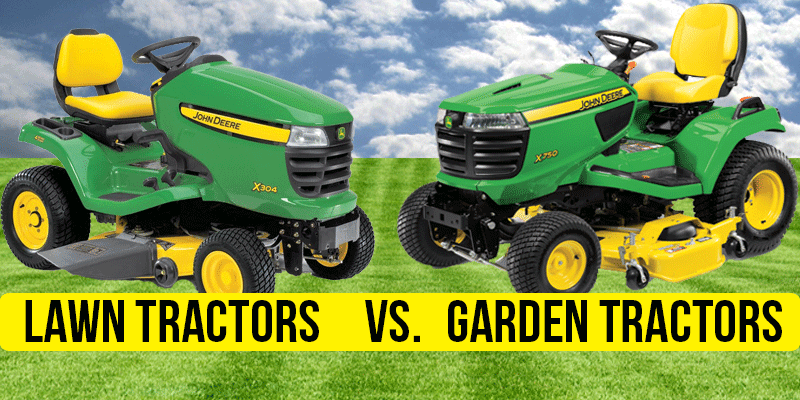
This image is property of aroundthelawn.files.wordpress.com.


